
The Shape of the Solution must take the Shape of the Problem
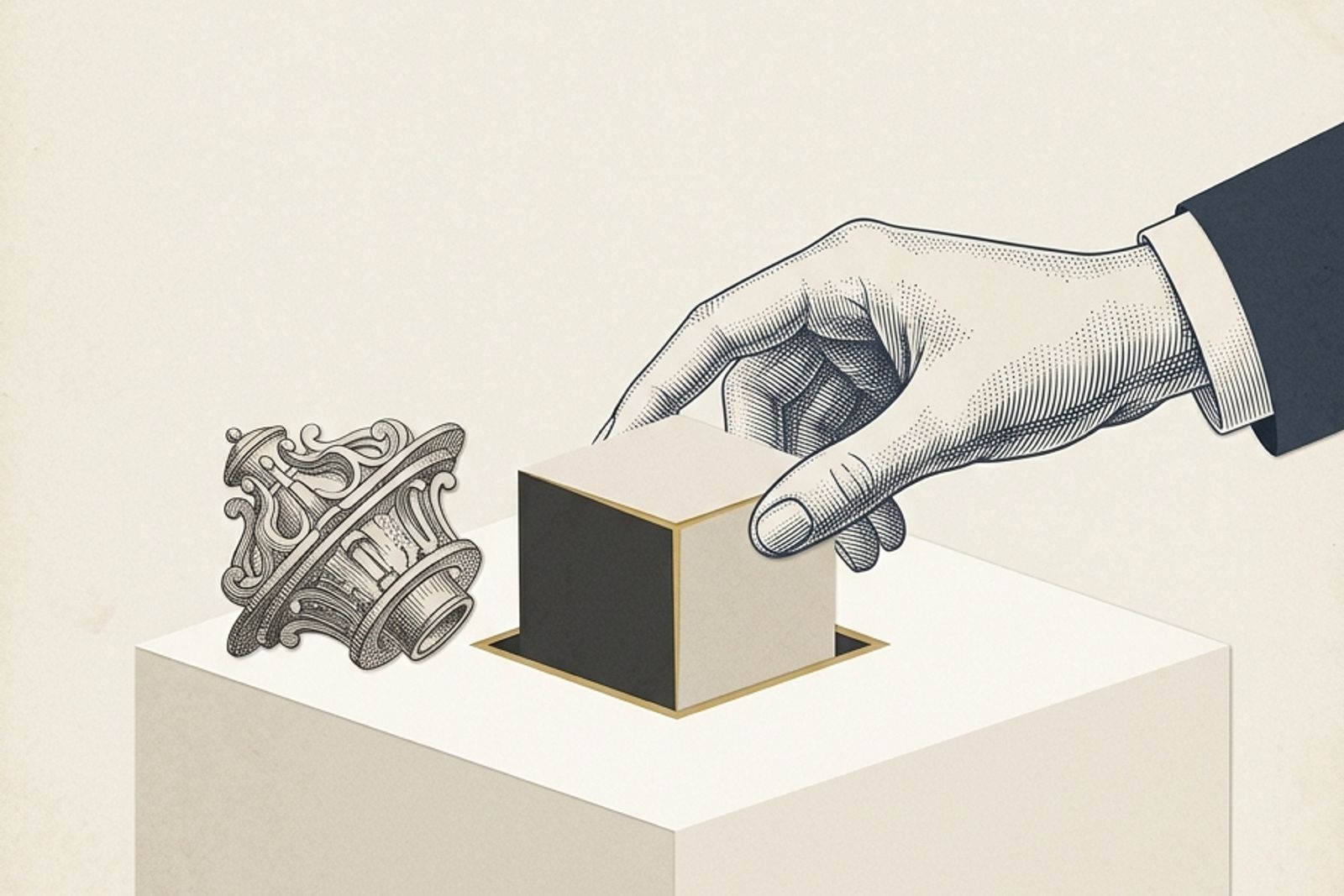
The temptation in AI right now is to reach for the biggest thing available. An agent. An agentic workflow. An enterprise subscription for the whole company, pointed at every business problem and a fair number of the human ones too.
We have been there. Months ago, exciting times.
What we came back to is older and duller than any of it: work out what the problem actually is, first. The fix takes the shape of the problem. If the problem is shaped like a piece of paper, build it on paper.
Four things our fractional HR and consulting work has taught us.
- Deterministic work belongs in deterministic systems. Payroll, salary calculation, compensation design, finance operations, these have rules, and rules belong in software. A language model works by predicting what text most likely comes next. Ask it to compute a CPF contribution and you get something plausible. Plausible is not correct, and in payroll only correct counts. When software gets it wrong it is a bug: findable, fixable once, wrong the same way every time. When a model gets it wrong, it is wrong a new way each run.
- Sometimes it is better to use AI to build the tool, not to be the tool. Most of what we have shipped for clients this year is small, a workflow, a micro app, a specifically designed timesheet app that runs in the browser. AI wrote them, quickly. But at the point of use, deterministic software beat asking a model to do the same job live, every time. Faster, cheaper, and it gives the same answer twice.
- The longer the horizon, the more supervision a model needs. Short, well-bounded tasks go well. Long-running, high-volume work needs checkpoints, review, and a named human accountable is required for the output. That oversight cost is real, and it belongs in the plan rather than in the surprise.
- Sometimes the answer is a form and some discipline. A pen-and-paper form. A process people actually follow. Someone senior doing the oversight. No app required, no AI or Tech infrastructure to fail you. That is not a failure of imagination or not us adapting to the times, it is the fix fitting the problem.
None of this is suggesting that if AI is useful or not. The first thing I open everyday is Claude Code and Chatgpt on two different terminal windows, not even my Outlook, but this is a caution against buying the shape of a fix before you understand the shape of the problem.
If you are staring at a quote for something that feels bigger than the problem, talk to us first.If you are staring at a quote for something that feels bigger than the problem, talk to us first.
Frequently Asked
Common Questions
What does "the shape of the solution must take the shape of the problem" mean?
It means defining the problem before choosing the tool. Most AI disappointment comes from buying a large, general solution — an agent, an enterprise rollout — for a problem that was never that shape. If the problem is a paper form, build a paper form.
Why shouldn't AI handle payroll or salary calculations?
Because those are deterministic: they follow fixed rules, and rules belong in software. A language model predicts likely text, so asking it to compute a CPF contribution returns something plausible rather than something correct. In payroll, only correct counts. A software bug is findable and wrong the same way every time; a model is wrong a new way each run.
So where does AI actually add value in HR and operations?
Use AI to build the tool, not to be the tool. Most of what we ship for clients is small, a workflow, a micro app, a browser-based timesheet tool. AI writes them quickly. But at the point of use, deterministic software wins every time: faster, cheaper, and it gives the same answer twice.
How much human oversight does an AI workflow need?
It scales with the horizon. Short, well-bounded tasks run well with light supervision. Long-running, high-volume work needs checkpoints, review, and a named human accountable for the output. That oversight cost is real and belongs in the project plan, not in the surprise later.
Is a manual process ever the right answer?
Yes. Sometimes the fix is a form, a process people actually follow, and someone senior doing the oversight. No app, no AI, no tech infrastructure to fail. That isn't a failure of imagination, it's the fix fitting the problem.
Is this an argument against using AI?
No. It's an argument against buying the shape of a fix before you understand the shape of the problem. AI is part of our daily working stack; the caution is about scope and sequencing, not about the technology.
How do I know if a proposed solution is oversized for my problem?
If the quote feels bigger than the problem, that's the signal. Ask what the actual failure is, whether the work is rule-based or judgement-based, and whether a deterministic tool would do the job. Talk to us before committing.